Datahub – tax & accounting software
OVERVIEW
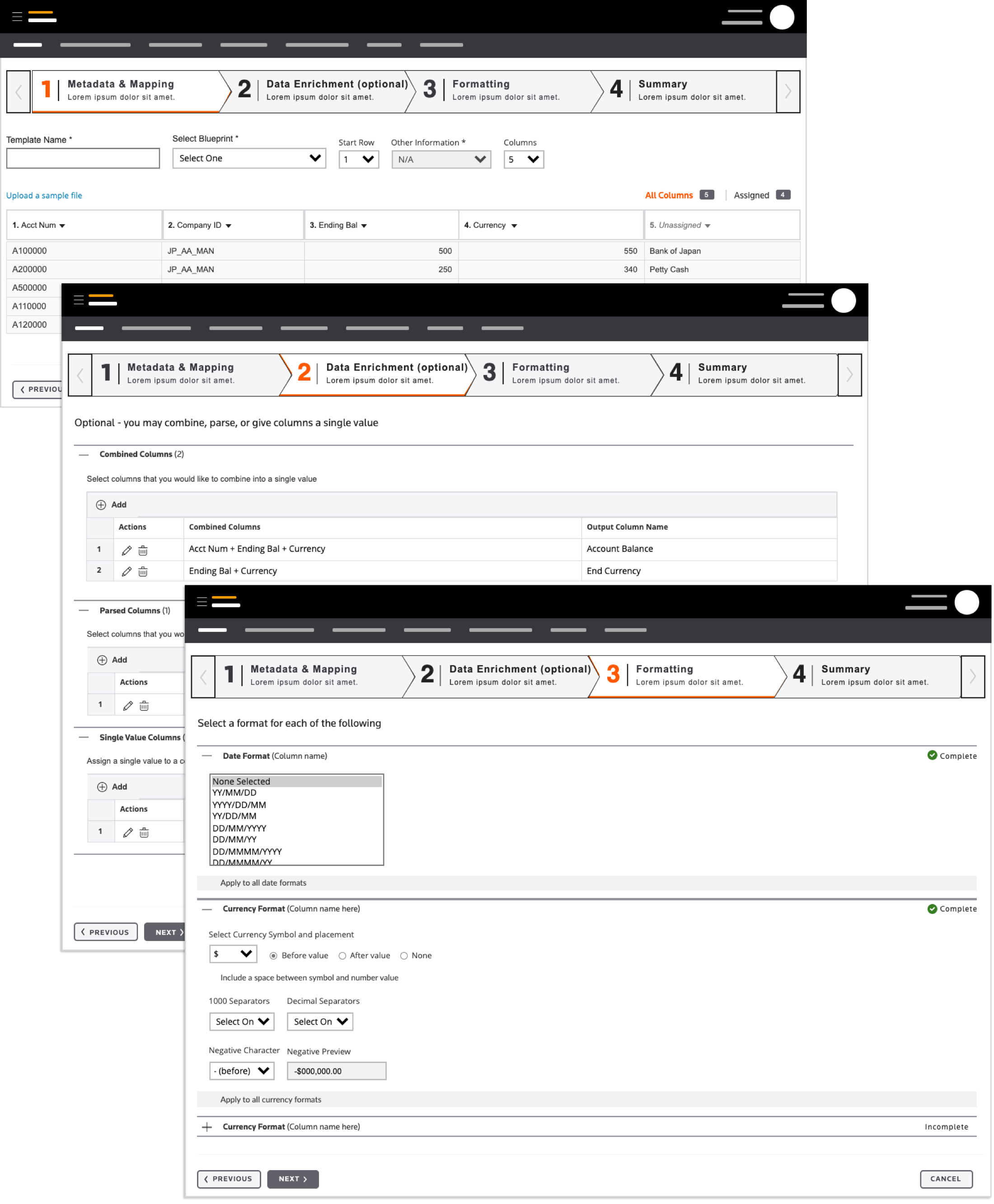
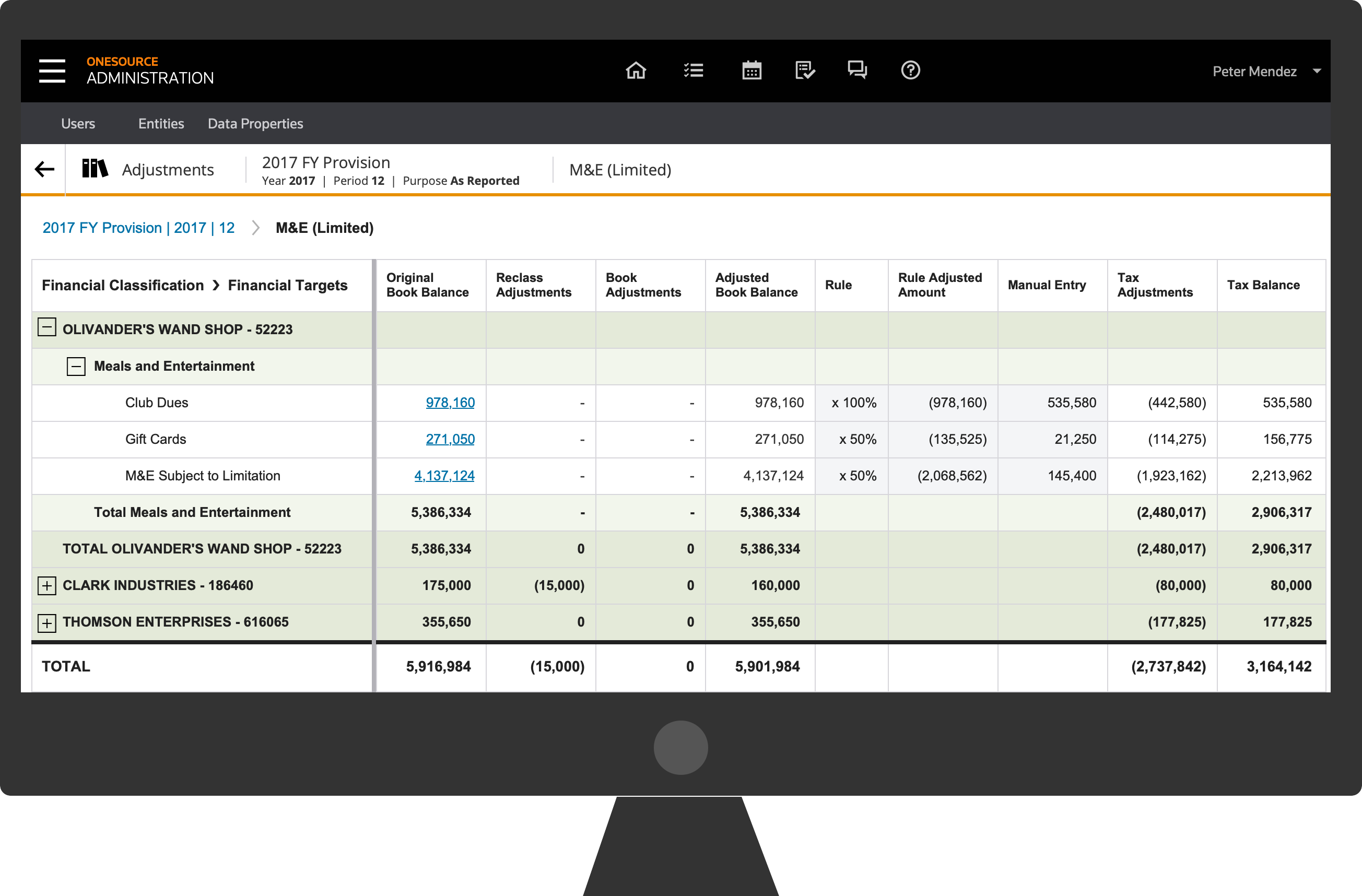
Thomson Reuters Data Hub software is a centralized tax data repository for large sets of corporate tax data that is distributed to all applications within the ONESOURCE platform. More about the product here.
Over the course of a year I was the single designer for DataHub working closely with three PMs, two development teams, and a researcher. I used the tools provided by Thomson Reuter's design system - Bento. Our process involved continuous user research with an interactive prototype, and several rounds of iterative design until it's release.
Problem
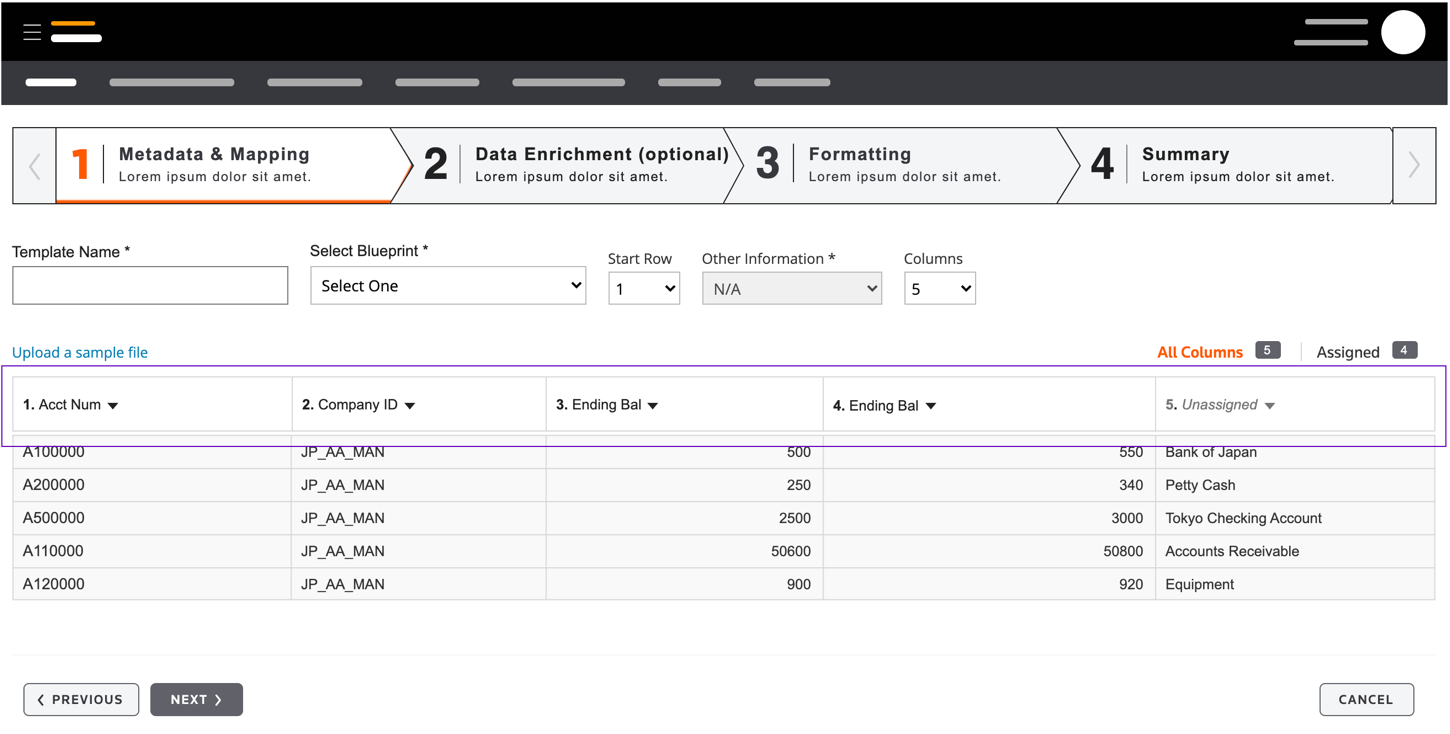
Applications within the OneSource tax software suite required users to enter and maintain the same tax & accounting information for each application throughout the suite. Our customers were finding the process time consuming, error prone, and inconsistent throughout each application.
Our solution
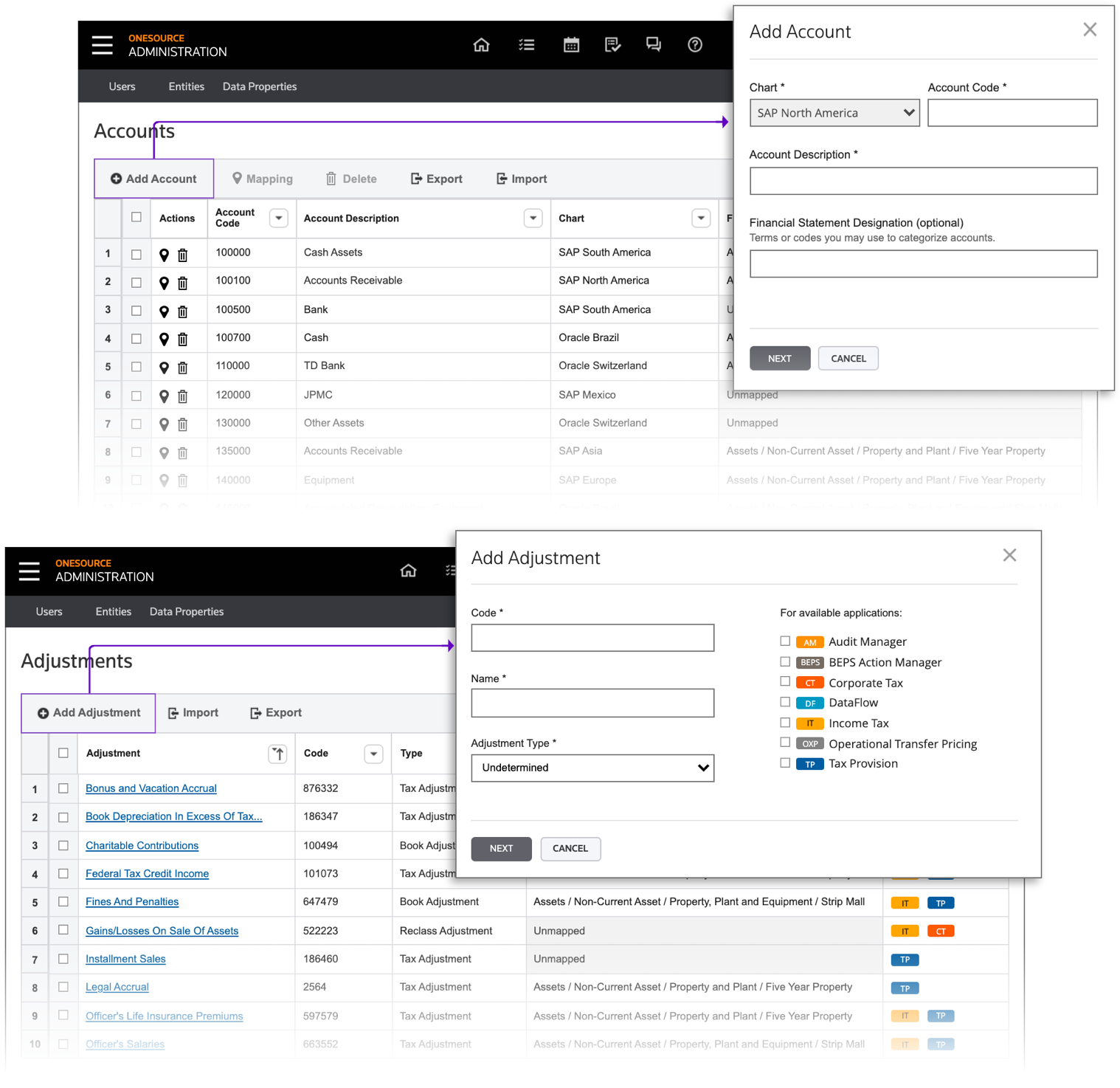
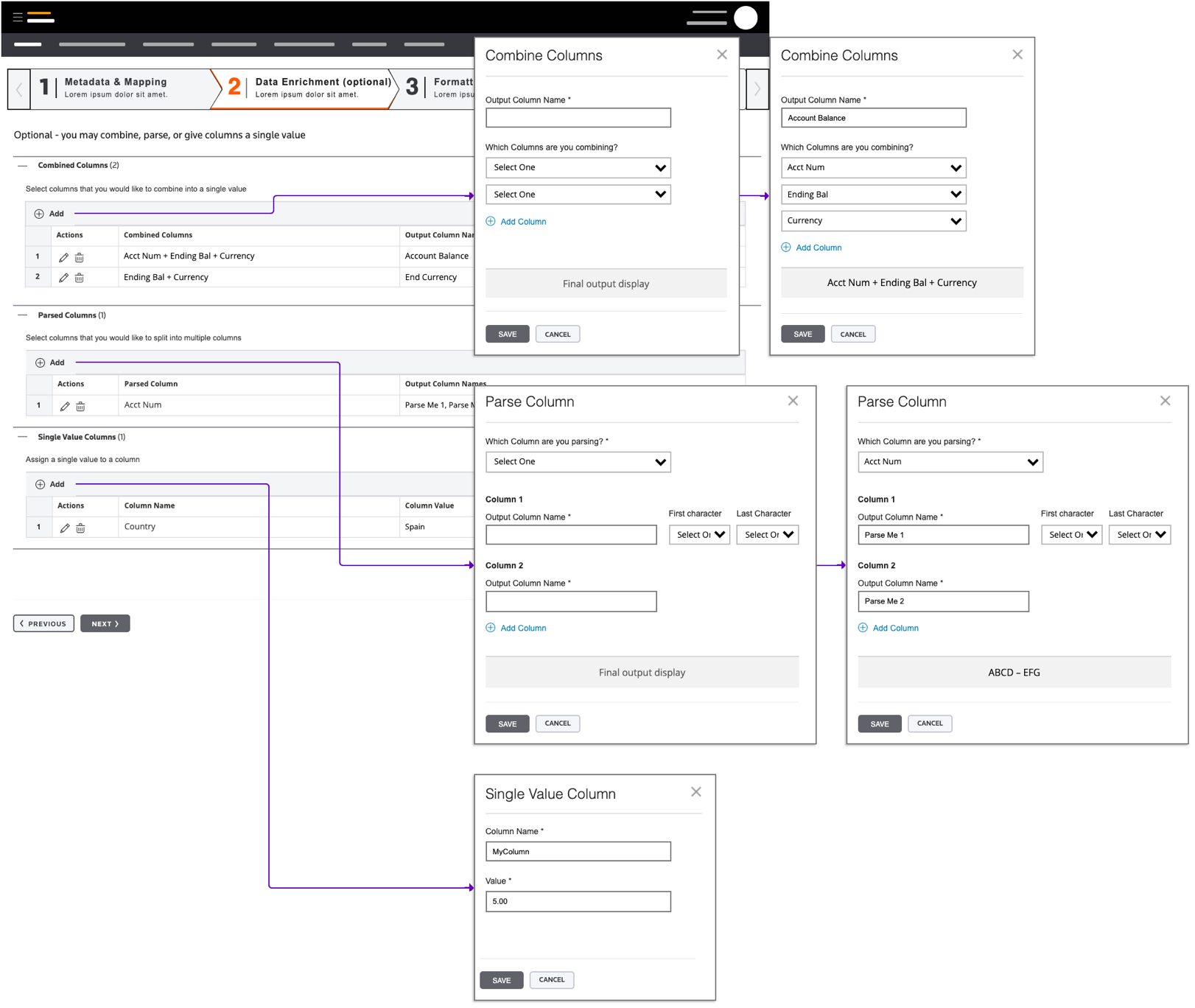
Master data sets. Provide a central location where administrators can enter and maintain tax information which can be accessed by all ONESOURCE applications.
GOALS & BUSINESS VALUE
• Save customers time by decreasing maintenance & processes
• Provide greater data uniformity across all user products
• Increased ease of onboarding additional products
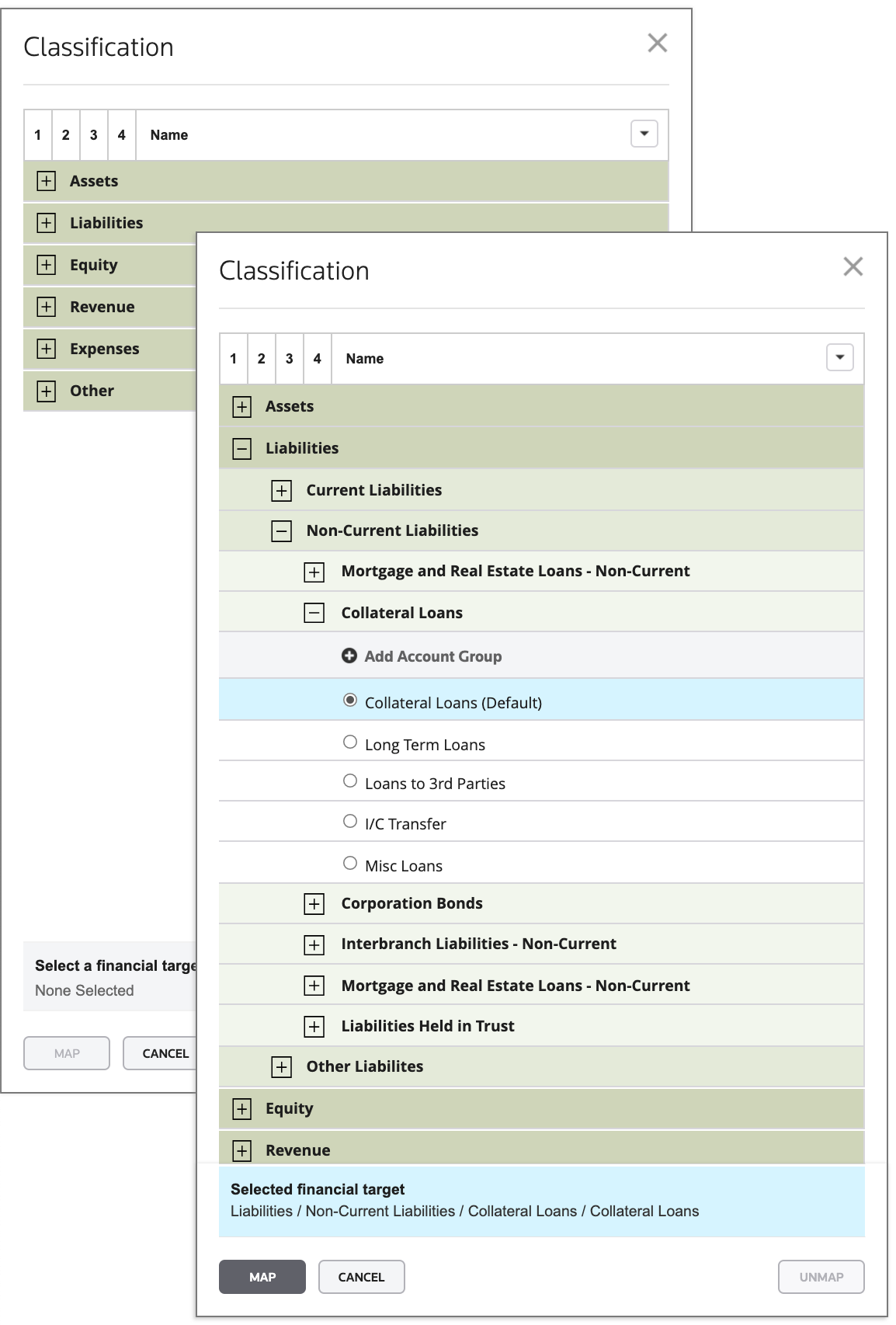
• Provide additional data organization
The business value for us was increased customer satisfaction/retention, capabilities selling point to new customers as well as a selling point to current customers to add on additional products.
RESEARCH
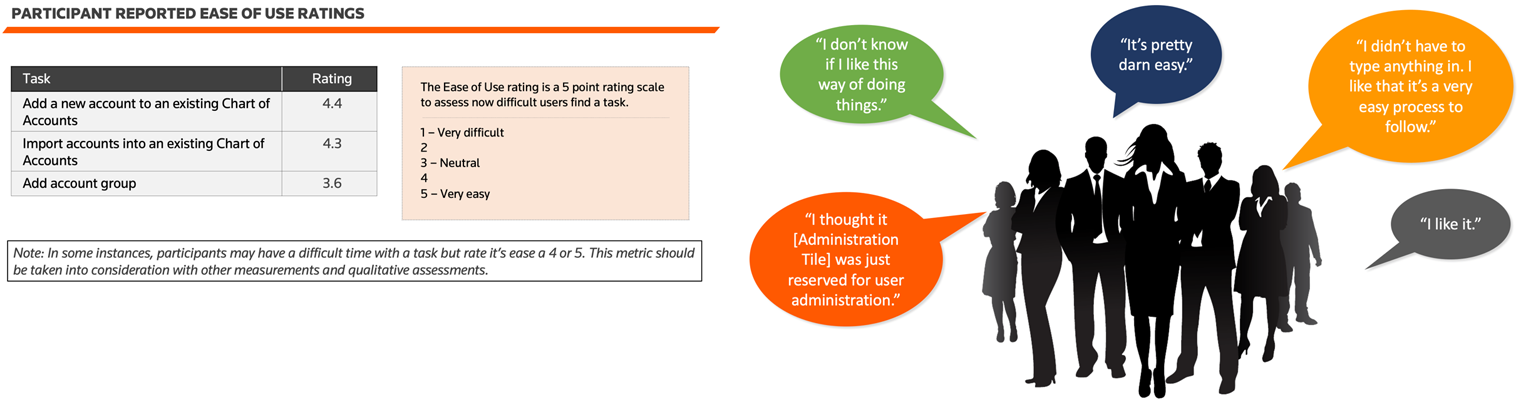
We held three formal usability tests and I had a few small guerilla sessions on my own. I wrote the initial scripts before handover to the researcher and we would flush out questions/scenarios as a team. For each test we held one internal session to work out kinks and 4 to 5 tests with actual users. We used a user rating scale as well as captured qualitative data through conversation to validate our design.
FINAL THOUGHTS
My biggest challenge was tax comprehension. Many of the concepts are esoteric so I had to rely heavily on my product team who had great knowledge in the area. DataHub launched and is a current Thomson Reuters product.